
6.9 KiB
What is medical cannabis?
Medical cannabis isn’t a single medication but rather a category of medicines. These products come in various forms, including capsules, oils, tablets, dried plant material, and oral sprays. There are three main types of medical cannabis products available by prescription:
- Approved pharmaceuticals (currently Sativex and Epidyolex in Norway)
- GMP-standard medical products, collectively referred to as Cannabis-Based Products for Medical Use (CBPMs). The GMP standard ensures precise, consistent levels of active compounds in each product.
- Compounded medications prepared to GMP standards (pharmacy-produced).
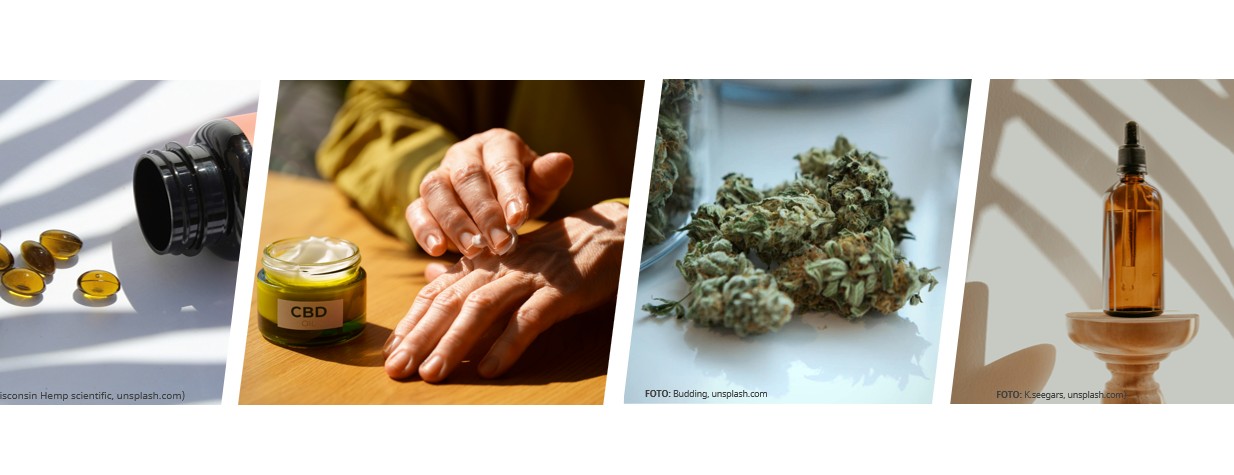
Each product in these categories has a unique combination of active ingredients and delivery methods. A patient who doesn’t respond to one formulation—such as Sativex—may still benefit from another variant or administration form. Norway currently offers 19 different medical cannabis products, while the UK provides over 200 options.
The most well-known compounds in medical cannabis are THC and CBD. THC can stimulate appetite, reduce nausea, and alleviate pain, inflammation, and muscle control issues. At high doses, it may produce euphoric effects (intoxication). CBD, however, is non-intoxicating but can promote relaxation, reduce pain and inflammation, manage epileptic seizures, and potentially aid in treating mental health conditions and addiction. Beyond these, cannabis contains smaller amounts of other cannabinoids—such as CBG, CBN, and THCV—as well as non-cannabinoid compounds like phenols, flavonoids, terpenes, and alkaloids. These components work together in an "entourage effect," giving each product its distinct properties and necessitating personalized treatment tailored to individual patient needs.
The active compounds in cannabis interact with the body’s endocannabinoid system, a vast receptor network comprising three key elements: endocannabinoids (e.g., anandamide and 2-AG), CB1 and CB2 receptors, and regulatory enzymes. This system plays a crucial role in maintaining the body’s natural balance (homeostasis) and regulates essential processes such as anxiety, pain, inflammation, stress responses, immunity, mood, and appetite. Dysregulation in this system is believed to contribute to symptoms in conditions like Huntington’s, Alzheimer’s, Parkinson’s, and multiple sclerosis.
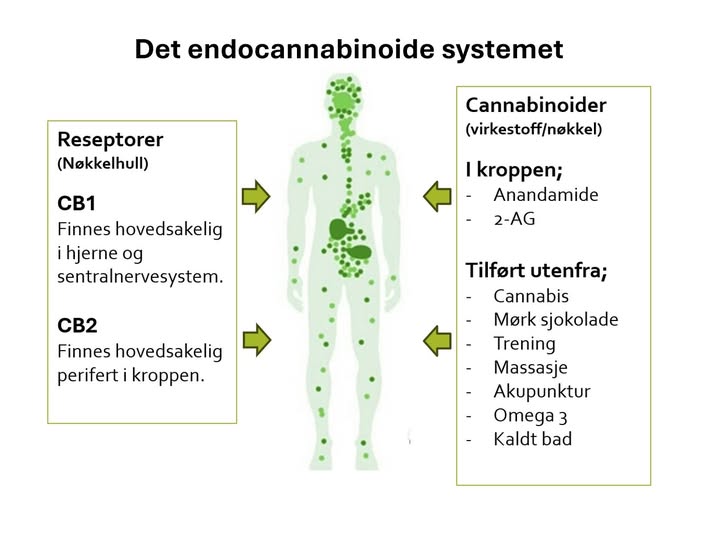
This broad influence on the endocannabinoid system explains why cannabis can address a wide range of symptoms and conditions. In England, roughly 50% of current prescriptions target chronic pain, 40% address mental health disorders, 6% treat neurological conditions, and 4% cover other diagnoses.
Medical cannabis often faces stigma due to THC’s recreational use. However, products containing less than 1% THC (such as isolated CBD in Epidyolex or whole-plant CBD with GMP certification) cannot produce intoxication. With higher THC concentrations, intoxication is considered an unwanted side effect of overdose—similar to other medications that may cause impairment at excessive doses. Effective medical use depends on proper dosing, gradual titration, and adaptation to the patient’s needs. Typical therapeutic THC doses range from 0.5–20 mg daily after a titration period, comparable to medications like pregabalin or benzodiazepines. Starting doses are usually 0.5–2.5 mg THC per day. For context, a single recreational dose begins at around 10 mg THC for inexperienced users and often exceeds 50 mg per dose for regular users.
Dependence potential is another common concern, understandable given past issues with drugs like oxycodone. However, medical cannabis carries a low risk of physical dependence. A randomized controlled trial examining abrupt discontinuation of Sativex found no withdrawal symptoms after three years of use. Another RCT tracking arthritis patients over five weeks reported no issues upon stopping treatment. A recent double-blind study following 800 patients for a year detected no signs of dependence or withdrawal. While recreational use carries an estimated 9% risk of dependence, this term requires careful interpretation in a medical context—discontinuation may lead to the return of symptoms the medication was addressing. Tolerance can develop (requiring dose adjustments), but this is managed through physician oversight, including periodic dose reductions when necessary.
Side effects and safety
Medical cannabis is considered a medication with few serious adverse effects, supported by research and expert statements.
In a 2019 interview with Fagbladet, Steinar Madsen, former medical director of the Norwegian Medicines Agency, stated:
“There’s a widespread misconception that cannabis is a medically risky substance,” Madsen told Fagbladet Journalen. “In reality, it’s a medication with few serious side effects.”
A 2024 evaluation of Denmark’s medical cannabis pilot program, which treated 8,785 patients over six years (issuing 68,082 prescriptions), concluded:
“Based on adverse event reports, the Danish Medicines Agency has not identified any safety concerns related to cannabis-based products covered by the pilot program.” (emphasis added)
An analysis from the UK Medical Cannabis Registry, following 8,945 patients over two years (Erridge et al. 2025: UK Medical Cannabis Registry: an updated clinical outcomes analysis across all conditions, accepted for publication in ICRS), found:
“...medical cannabis was largely well-tolerated. Moreover, there was an improvement in health-related quality of life, anxiety and sleep.”
According to Mikael Sødergren, the study’s lead researcher at Imperial College, the registry included data from over 40,000 patients as of June 2025. In an email to Stopp lidelsen, he noted:
“...we now have seen more than 40,000 [patients] with a similar safety profile.”
A new randomized trial, published in Nature Medicine, involved over 800 patients with chronic lower back pain followed for one year. Side effects were more common in the whole-plant extract group (83.3%) than the placebo group (67.3%), but most were mild and temporary (e.g., fatigue, dizziness). No signs of dependence or withdrawal were observed.